Welcome to our comprehensive guide on house releveling cost in Auckland for 2026! Whether you’re a homeowner noticing uneven floors or a property investor looking to maintain your asset’s value, you’ve come to the right place. Here, you’ll find detailed insights into the costs involved, the releveling process, and expert advice tailored specifically for Auckland properties. Our goal is to help you understand what to expect, plan effectively, and make confident decisions about restoring your home’s foundation and structural integrity. Let’s get started on securing the stability and longevity of your Auckland property!
If you own an older home in Auckland, there’s a good chance you’ve noticed a sloping floor, a door that sticks, or cracks creeping across your walls. These are often signs that your house needs releveling a process that restores your foundation to its original level and protects your property from ongoing structural damage.
But how much does it actually cost to relevel a house in Auckland? The answer depends on several factors, from your home’s age and construction type to the soil beneath it and how accessible your subfloor is. In this guide, we’ll break down realistic 2026 prices, explain what drives costs up or down, and walk you through the entire process so you can plan and budget with confidence.
Table of Contents
Quick Answer: Typical House Releveling Costs in Auckland
If you’re short on time and just want numbers: the cost of house releveling in Auckland typically ranges from around $8,000 for minor work on a small villa up to $70,000 or more for extensive repiling and releveling on larger character homes.
Here are realistic price ranges in NZD for common scenarios in 2026:
- Minor releveling of a small villa in Sandringham or Onehunga: Approximately $8,000–$15,000+ including GST. This usually involves adjusting a few piles, some packing, and correcting localised floor slopes.
- Moderate releveling with localised repiling on a 120–160m² 1950s–1970s weatherboard in Mt Albert or Henderson: Approximately $18,000–$35,000+. This typically includes replacing 15–30 piles and lifting sections of the house 20–40mm back to level.
- Full relevel plus extensive repiling on a 1920s–1940s bungalow in Grey Lynn or Mt Eden: Typically $35,000–$70,000+ depending on access, soil conditions, and the extent of work required.
Complex jobs on steep sites across the North Shore, properties with poor access, or homes with severe settlement can exceed $80,000 when combined with engineering fees and council consent costs.
It’s worth noting that Auckland prices generally run 10–20% higher than the wider New Zealand average. This premium reflects higher labour rates, greater contractor demand, and the compliance costs involved when dealing with Auckland Council.
One thing to remember: online estimates are only ballpark ranges. An on-site inspection is absolutely essential for an accurate fixed quote. Every Auckland property has unique challenges that can only be properly assessed in person.
What Is House Releveling & When Do You Need It?
House releveling is the process of lifting, adjusting, and stabilising a home that has sunk, tilted, or moved out of level over time. In Auckland, where many homes sit on timber pile foundations, movement is common especially in properties built before 1980.
Here are the common signs that your Auckland home may need releveling:
- Sloping or “bouncy” floors in older villas in suburbs like Kingsland, Parnell, or Devonport
- Sticking doors and windows, especially after heavy rain or long dry spells when clay soils expand and contract
- Cracks appearing in plasterboard, gib corners, or brick cladding around door and window frames
- Gaps between skirtings and floors, or between benchtops and splashbacks in kitchens
- Piles visibly leaning, sinking, or rotting when you look under houses with accessible subfloors
- Walls that appear to be pulling away from ceilings or other walls
Foundation movement is particularly common in pre-1940s villas and 1950–1970s state houses built on timber piles. Auckland’s clay-heavy soils especially in areas like West Auckland and parts of South Auckland shrink and swell with moisture changes, gradually causing homes to settle unevenly.
The best thing you can do is address problems early. What starts as a minor slope in the lounge floor can develop into serious structural issues affecting load bearing walls, the roof structure, and the building’s overall integrity. Early intervention almost always means lower repair costs and less disruption to your household.
House Releveling Cost Breakdown in Auckland
Understanding where your money goes helps you evaluate quotes and plan your budget. The costs involved in releveling are driven by scope: how many piles need work, how much lift is required, how accessible your subfloor is, what the soil conditions are like, and whether you need council consent.
Here’s a breakdown of typical cost components for Auckland in 2026:
Site investigation and engineer’s report: $1,200–$3,500
Before any work begins, you’ll generally need a professional assessment. For complex jobs, a structural engineer will prepare a design to meet NZS 3604 and Auckland Council requirements. Geotechnical reports (soil testing) can add another $2,000–$5,000 if ground conditions are uncertain.
Council building consent and inspections: $2,000–$6,000+
Structural work, repiling, or bracing changes generally require building consent from Auckland Council. The consent process typically takes 4–8 weeks and includes inspection fees throughout the project. Some simpler jobs may fall outside consent requirements, but you should always confirm with a professional.
Labour for jacking and releveling: $90–$140+ per hour per qualified tradesperson
Labour typically accounts for 40–60% of total project costs. A crew of 2–4 workers will be on site for anywhere from a few days to several weeks depending on scope. Auckland’s tight labour market means rates trend higher than other regions.
Materials:
- New treated timber or concrete piles: $400–$900 per pile (supply and install), depending on depth, diameter, and bracing requirements
- Steel beams, brackets, and fixings for complex lifts: Variable, but can add $2,000–$8,000 on larger jobs
- Bracing and connection upgrades to meet post-Christchurch code requirements
Access and excavation:
- Hand digging in low-clearance villas with tight crawl spaces: Significantly more labour-intensive and expensive
- Machine access on flat sites with good clearance: Faster and more cost effective
Making good:
- Re-levelling doors and windows, minor plaster touch-ups, and re-fitting skirtings: Often $1,500–$5,000+ depending on what’s agreed
- Note that extensive cosmetic repairs are typically additional to core foundation work
Example scenario: A 130m² 1960s weatherboard home in Mt Roskill with 40–50 piles needing replacement and a 30–40mm lift might have a total project cost in the range of $25,000–$40,000. This assumes reasonable subfloor access and standard soil conditions.
Homes built in the 1920s–1940s often require more piles and additional bracing to meet updated building standards, which increases costs. If your property has a chimney, concrete slab extensions, or brick veneer sections, expect additional complexity and expense.
Key Factors That Influence Releveling Cost in Auckland
Two homes of the same size in Auckland can differ by tens of thousands of dollars in releveling costs. Here’s why site specifics matter so much:
- Age and construction type: Pre-1940 villas typically have more complex foundations and may need more extensive work than 1950s–1970s state houses. Modern homes on concrete slab foundations require completely different methods.
- Foundation type: Timber piles, concrete piles, mixed foundations (common in extended homes), or slab-on-grade all have different cost profiles. Older timber piles are often rotted or undersized by current standards.
- Soil conditions: Areas with soft or reactive clays common in West Auckland suburbs like Henderson, New Lynn, and Glen Eden, plus parts of South Auckland often require deeper piles or more of them. Auckland’s variable geology includes Waitemata sandstone overlying expansive clays that shrink and swell with moisture.
- Access under the house: A full-height subfloor where workers can move around easily is far cheaper to work on than a tight crawl space requiring extensive hand digging. Ponsonby and Grey Lynn villas often have low clearances that add thousands to the job.
- Amount of level correction needed: Minor 10–20mm adjustments require less work than 60–100mm lifts along one side of the house. Larger lifts often mean more temporary support, more piles, and greater risk of secondary damage.
- Structural complexity: Chimneys, extensions on concrete slabs, brick veneer cladding, and internal load bearing walls all complicate the work. Each requires careful planning to avoid creating new problems while solving the original issue.
- Regulatory and compliance costs: Structural engineer design, Auckland Council consent, multiple inspections, and producer statements all add to the final bill. The extent of documentation required depends on the scope of work.
- Occupied vs. unoccupied: Whether your house can remain lived in during the works affects timeframe and logistics. Some jobs allow you to stay, while others especially large lifts or extensive repiling work may require temporary relocation for safety.
Consider the difference between a 1950s bungalow in Flat Bush with easy drive-on access and good subfloor clearance versus a 1920s villa in Ponsonby on a narrow site with 300mm crawl space and clay soil. The Flat Bush property might cost $20,000 to relevel; the Ponsonby villa could easily exceed $50,000 for similar-sized floor areas.
Common House Releveling Methods Used in Auckland
The method your contractor uses will strongly affect cost, speed, and disruption to your household. Here are the main approaches you’ll encounter:
Traditional releveling plus repiling:
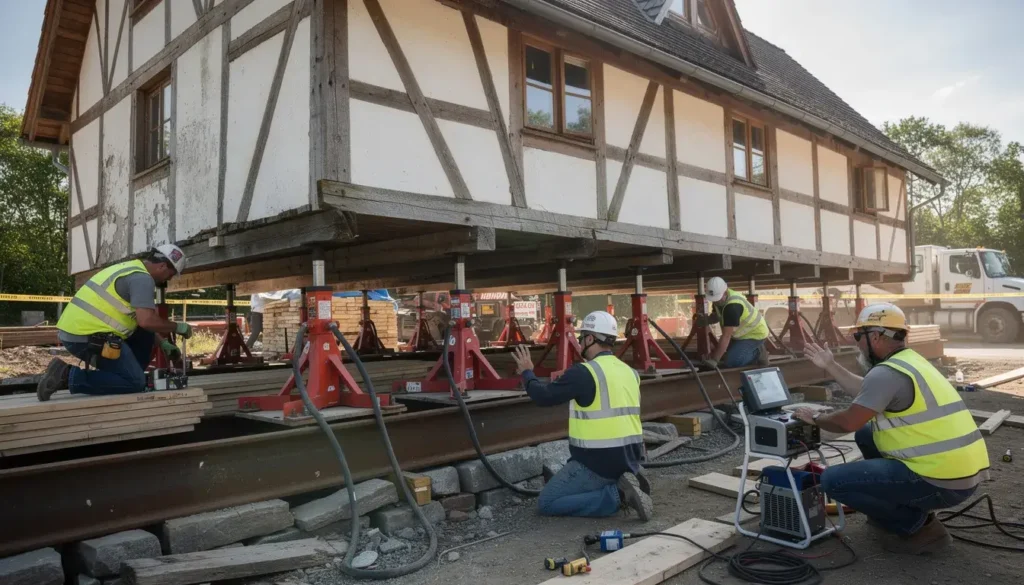
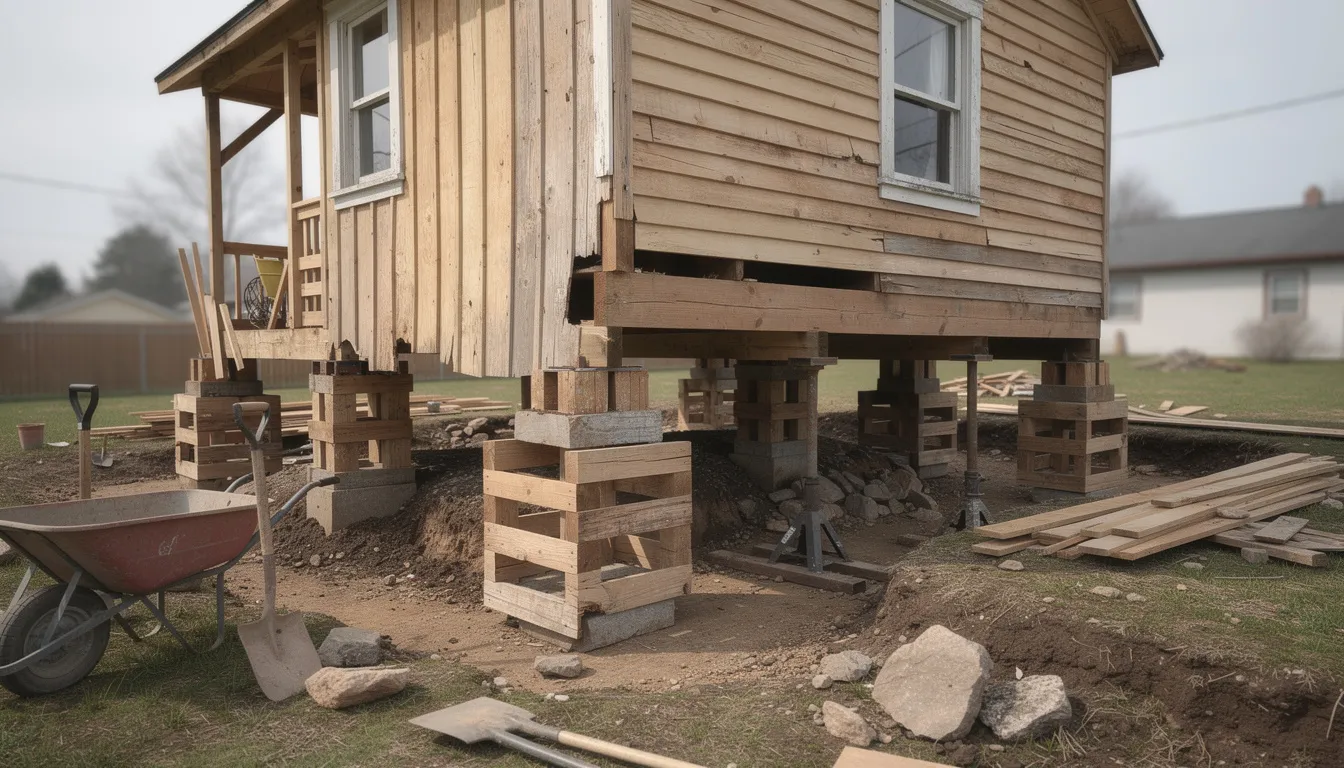
This involves jacking timber homes, replacing or packing piles, and resetting bearers and joists to bring everything back to level. It’s the most common method for character villas and bungalows across central Auckland suburbs like Mt Eden, Ponsonby, and Kingsland. While labour-intensive, it provides a long-term structural upgrade that can last decades.
Partial repiling:
Rather than replacing every pile under the house, this approach targets only failed or under-strength piles along one wall or corner. It’s often used where movement is localised for example, where one side of a house has sunk due to a leaking drain or tree roots affecting soil. Partial house repiling can significantly reduce overall cost compared to a full job.
Resin injection or grout injection:
Systems using high-density polyurethane or cementitious materials are generally more suited to concrete slab foundations and paths. You’ll see this approach more often in newer suburbs like Albany or developments in East Auckland. The cost structure is usually per square metre or per injection point rather than per pile. It’s fast often completed in a day with minimal disruption to the household.
Hybrid solutions:
Many Auckland homes have been extended over the years, with the original timber-framed section sitting on piles and later additions on concrete slabs. Hybrid solutions combine localised repiling work under part of the house with injection systems under attached concrete porches or extensions.
Comparing methods:
| Method | Typical Cost Range | Duration | Best For |
|---|---|---|---|
| Full repile & relevel | $25,000–$70,000+ | 1–3 weeks | Character homes with widespread issues |
| Partial repiling | $8,000–$25,000 | 3–7 days | Localised settlement in one area |
| Resin injection | $4,000–$15,000 | 1–2 days | Concrete slabs, minor settlement |
| Hybrid approach | $15,000–$40,000+ | 1–2 weeks | Extended homes with mixed foundations |
Traditional repiling involves higher upfront labour costs but delivers a comprehensive structural upgrade. Injection systems offer minimal disruption and faster completion but aren’t suitable for rotten piles, severely under-strength subfloors, or homes requiring significant level corrections.
House Releveling Process in Auckland (Step-by-Step)
Understanding the process helps you see where fees and time are spent, and what to expect at each stage. Here’s a typical workflow:
- Step 1 – Initial enquiry and information: You call or complete an online form with your address, approximate age of your house, and a brief description of issues. For example, you might say you have a sloping lounge floor in a 1930s Mt Eden bungalow with doors that stick in the winter months.
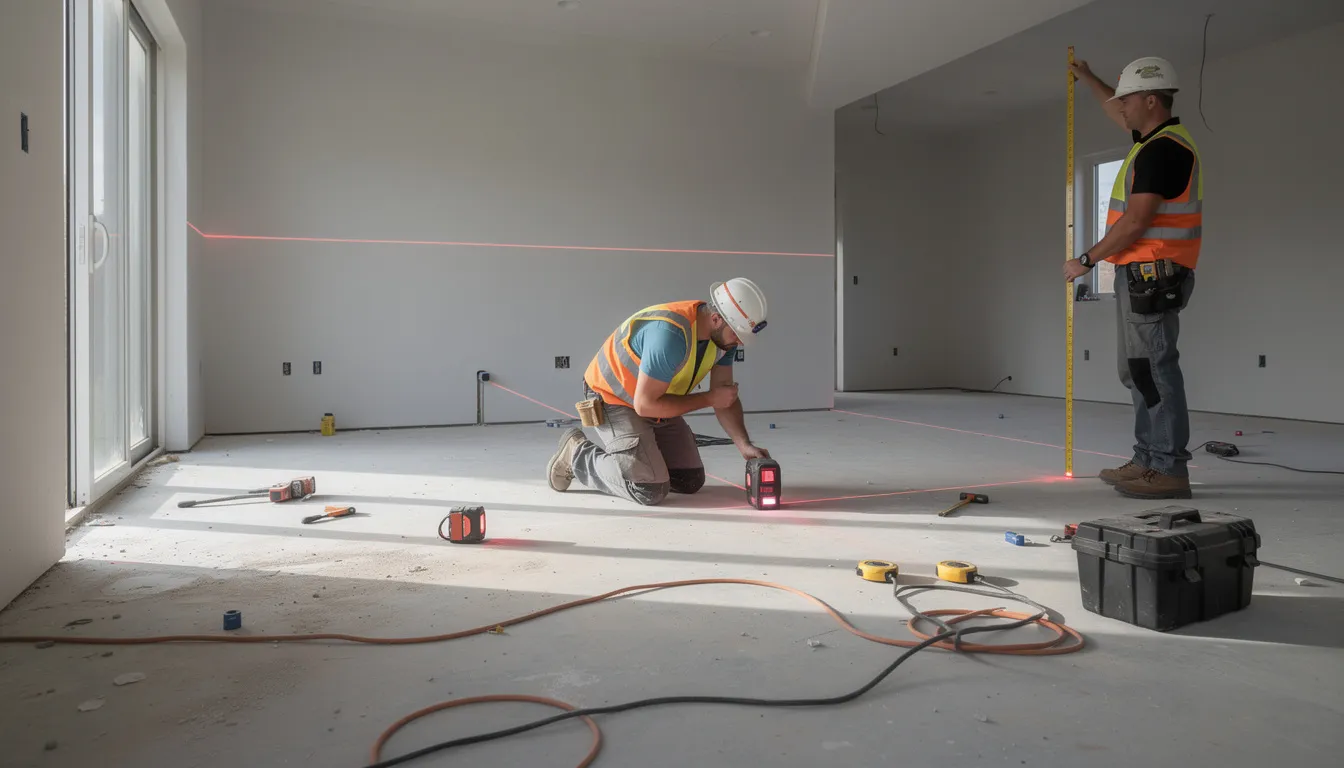
- Step 2 – On-site assessment (2–3 hours): A foundation specialist visits your property, checks access under the house, measures floor levels using laser equipment, inspects pile condition, and identifies likely causes of movement. This is where you can talk through your concerns and get expert advice on what’s actually going wrong.
- Step 3 – Engineering and design (1–3 weeks if required): For more complex jobs, a structural engineer prepares a releveling and repiling plan to meet NZS 3604 and Auckland Council requirements. This step may not be necessary for smaller projects with straightforward scope.
- Step 4 – Quote and scope (within days of assessment): You receive a detailed written quote itemising labour, materials, access works, consents, and expected timeframe. A quality company will clearly explain what’s included and what isn’t.
- Step 5 – Consents and scheduling (4–8 weeks for consent if needed): If building consent is required, it’s lodged with Auckland Council. Once approved, the job is booked with a clear start date and expected duration. Consent generally isn’t required for simple packing of existing piles within certain limits, but structural repiling work typically needs sign-off.
- Step 6 – On-site works (typically 1–2 weeks for a standard 3-bedroom home): The team supports the house with hydraulic jacks, repairs or replaces piles, adjusts levels incrementally (often 10–50mm at a time to avoid cracking), upgrades bracing, and installs new fixings. You’ll usually need to clear personal items from under the house before work begins.
- Step 7 – Inspections, sign-off, and making good (final days of project): Council inspections are completed at key stages, final sign-off is obtained, and basic cosmetic repairs and adjustments are carried out as agreed. This might include re-fitting doors, touching up cracks in gib, and resetting skirtings.
The entire process from initial enquiry to completed job typically takes 2–4 months, with 1–3 weeks of actual on-site work. Smaller projects with no consent required can be completed in a matter of days from booking.
Realistic Timeframes & Disruption for Auckland Homes
Most Auckland releveling projects are measured in days to a few weeks of on-site work, not months. However, you should factor in the time needed for assessments, engineering, and consent before physical work begins.
Typical on-site duration:
- Small partial releveling jobs: 3–5 working days on site
- Full relevel and repile of a 100–140m² bungalow: Around 1–2 weeks of on-site work
- Complex jobs with poor access or extensive scope: 2–3 weeks or longer
Factors that can extend timeframes:
- Poor weather, particularly heavy rain that affects soil conditions and makes working under houses difficult
- Limited access for equipment requiring more hand work
- Variations discovered once piles and soil are exposed rotted joists, unexpected soil conditions, or more piles needing replacement than originally estimated
- Council inspection scheduling, which can add days if inspectors aren’t immediately available
Occupancy during works:
Many timber homes can remain occupied during releveling, especially for smaller jobs. However, some projects particularly those involving large lifts, extensive repiling, or work near utilities may require moving out for safety and practicality. Your contractor will advise you during the quoting stage.
Impact on utilities:
If water, gas, or drainage lines run through the work area, temporary disconnections may be necessary. Your contractor should identify this during assessment and factor it into planning.
Cosmetic impacts:
As the structure adjusts to its new level, you may notice doors and windows need re-fitting. Minor cracking in plaster or gib is common and generally addressed during the making-good phase. Don’t be surprised if some settling occurs over the first few weeks after completion.
Real-world example: A full repile and relevel of a 110m² 1930s bungalow in New Lynn took 9 working days on site, plus 6 weeks for engineering and consent beforehand. The homeowners stayed in the property throughout, though they moved furniture away from exterior walls during the work.
Budgeting, Hidden Costs & How to Save on Releveling
Foundation work often uncovers hidden issues, so budgeting realistically is crucial. Going in with your eyes open prevents nasty surprises partway through the project.
Likely hidden or additional work that can increase costs:
- Extra piles or deeper footings once excavation reveals actual soil conditions beneath your Auckland property
- Additional bracing or bearers needed to meet updated building standards (especially for pre-1980s homes)
- Repairing or replacing rotten joists and bottom plates found during the job rot is common in older homes with poor subfloor ventilation
- Council re-inspection fees if plans change on site due to unforeseen conditions
- Temporary accommodation if the house must be vacated expect $600–$1,200+ per week for a family-sized rental in Auckland in 2026
- Remediation of damaged services (plumbing, electrical) that weren’t visible during initial assessment
Cost-saving strategies without compromising safety or quality:
- Ensure good access before work starts: clear under-house areas of stored items, trim vegetation around access points, and arrange driveway access for equipment
- Group related work into the same project: if you also need drainage improvements, subfloor ventilation, or earthquake strengthening, combining them saves repeat setup costs
- Get at least 2–3 detailed quotes from reputable Auckland contractors and question large variances the cheapest quote isn’t always the best value if it’s missing scope items
- Address problems early when uneven floors first appear rather than waiting for major structural damage to develop
- Consider timing: some contractors may offer better rates during quieter winter months when demand for renovation work drops
Contingency recommendation:
Allocate a 10–20% contingency on top of your contractor’s quote. This mirrors standard advice for major building projects and accounts for the variables that only become apparent once work begins.
A project quoted at $30,000 should ideally have $3,000–$6,000 set aside for variations. This isn’t money you expect to spend it’s insurance against the unexpected.
Frequently Asked Questions (FAQs) About House Releveling Cost in Auckland
Is releveling cheaper than full repiling in Auckland?
Partial releveling adjusting existing piles and packing where needed can be cheaper than full repiling. However, it’s only appropriate if most piles are still structurally sound. If many piles are failing, rotted, or undersized by current standards, full house repiling is more expensive upfront but provides a proper long-term solution. An experienced guy will advise you on which approach makes sense for your situation.
Do I need Auckland Council consent for house releveling?
Generally, yes. Structural work including repiling and bracing changes typically requires building consent. Simple packing of existing piles within certain limits may not need consent, but you must confirm with Auckland Council or a qualified professional. Don’t assume you can skip this step unapproved work can create problems when you sell or insure your property.
Will releveling increase my home’s value?
Addressing foundation issues usually preserves and can improve property value. Buyers and valuers in Auckland routinely ask about subfloor condition and consent history. A home with documented foundation repairs and proper sign-off is more attractive than one with obvious signs of ongoing settlement. For median Auckland homes, properly addressing structural integrity can protect $50,000+ in value.
Can I live in my house while it’s being relevelled?
Many jobs allow occupancy, especially smaller projects that take only a few days. However, safety and practicality sometimes mean moving out particularly for extensive repiling work or large lifts. Your contractor should confirm this during quoting so you can plan accordingly and budget for accommodation if needed.
How long will my foundations last after releveling?
With correct design, quality materials, and good drainage around your home, a properly releveled and repiled foundation should last decades. However, soil conditions and water management remain critical. If you don’t address the causes of original settlement drainage problems, tree roots, or poor site grading you may face issues again. Your contractor should advise on any site improvements needed to protect your investment.
What’s the difference between releveling and repiling?
Releveling refers to the process of adjusting and lifting your house back to level. Repiling specifically means replacing the piles (posts) that support the structure. Many jobs involve both you re level the house while installing new piles to provide proper long-term support. The terms are sometimes used interchangeably, but a detailed quote should clarify exactly what work is included.
How do I find a reputable releveling contractor in Auckland?
Look for contractors with specific expertise in foundation repairs, not just general builders. Check they hold appropriate licenses, can provide references from completed Auckland jobs, and offer detailed written quotes. Be wary of anyone unwilling to do a proper on-site assessment before quoting. Ask about their process for handling variations and what warranties they provide on completed work.
When is the best time to get releveling done?
While repiling work can be done year-round, dry conditions generally make the job easier and faster. That said, don’t wait months just for perfect weather if your floors are noticeably sloping. The wrong approach is to delay until doors won’t close and cracks have spread throughout the house. Early intervention is almost always more cost effective than waiting for damage to compound.
What happens after the house is lifted during releveling?
After the house is carefully raised onto fixed supports, any gaps are filled with grout or other suitable materials to stabilize the structure. The final step includes cleaning the site of debris and repairing any damage that may have occurred during the work.
Why is it important to address foundation movement early?
Addressing signs of foundation movement early helps limit the scope and cost of repairs. Early intervention can prevent minor issues like uneven floors or sticking doors from developing into major structural problems.
How do Auckland renovation costs compare to the national average?
Auckland renovation costs typically run 10-20% higher than the national average. This is due to higher labor rates, material costs, and unique challenges related to the age and condition of many Auckland properties.
What types of renovations are most expensive in Auckland?
Kitchen and bathroom renovations tend to be among the most expensive projects in Auckland due to the complexity of plumbing, electrical work, and the concentration of services in small spaces.
How much can temporary accommodation add to renovation budgets in Auckland?
During major renovations, temporary accommodation can add $600 to $1,200 or more per week to your budget. However, this cost may be offset by faster project completion and reduced disruption.
How long do full home renovations usually take in Auckland?
Full home renovations in Auckland generally take between 4 and 12 months, depending on the scope of work and the size of the home.
Is council consent required for renovations in Auckland?
Yes, council consent is usually required for structural renovations, including kitchen and bathroom remodels that involve plumbing or electrical work. This ensures compliance with Auckland Council regulations.
What should I look for in a reputable house releveling contractor?
Look for companies that provide fixed-price guarantees after an on-site assessment, hold Public Liability Insurance, and include a “depth clause” for piling to prevent premature work stoppage. Experience with Auckland’s soil conditions (10-30 years) is also important.
How do traditional underpinning and modern techniques compare?
Traditional underpinning involving excavation and concrete is often more expensive and disruptive than modern methods like resin injection, which is less invasive and faster.
How much do building permits and consents cost in Auckland?
Auckland Council building permits range from $500 to $6,000, while building consent for most structural work typically costs between $500 and $3,000.
Should I get multiple quotes for foundation repairs?
Yes, obtaining two or three quotes is recommended, as repair methods and costs can vary significantly between contractors.
What are modern methods for lifting concrete slabs?
Non-invasive techniques such as injecting expanding resin beneath concrete slabs are increasingly popular for lifting and stabilizing foundations with minimal disruption.
What are typical costs for engineering services?
Structural engineers in Auckland typically charge between $1,000 and $2,000 for foundation assessments and design services.
What are the typical costs for house releveling in Auckland?
House releveling costs can range from $18,000 to $100,000 depending on the size, complexity, and foundation type. Minor releveling (shims/jacking) costs between $1,000 and $3,500, while extensive foundation replacement can exceed $100,000.
Is releveling a timber pile foundation cheaper than a concrete slab?
Yes, releveling timber pile foundations is often more cost-effective compared to addressing issues with sinking concrete slabs.
What experience should contractors have for Auckland releveling projects?
Contractors should have at least 10 to 30 years of experience working with Auckland’s specific soil conditions to ensure effective and lasting results.
What is the cost range for kitchen renovations in Auckland?
Kitchen renovations in Auckland typically range from $25,000 to over $150,000, depending on the level of finish, size, and complexity of the project.
Who are some trusted house levelling companies in Auckland?
Auckland Houselevelling Ltd has over 20 years of experience and a 99.7% approval rating. Grace Foundation Solutions has been a leading name in house levelling since 2010. Both companies are known for professionalism, reliability, and tailored solutions to foundation issues.
Making Your Decision
Releveling your Auckland home is a significant investment, but it’s one that protects your property’s structural integrity and long-term value. The costs involved vary widely based on your specific situation from around $8,000 for minor adjustments on smaller projects to $70,000 or more for comprehensive work on larger character homes.
The key steps to getting this right:
- Don’t ignore the warning signs sloping floors, sticking doors, and visible cracks all point to foundation issues that generally worsen over time
- Get a proper on-site assessment from a qualified foundation specialist before making any decisions
- Understand what’s included in your quote and ask questions about anything that isn’t clear
- Budget with a 10–20% contingency for the unexpected
- Check consent requirements with Auckland Council or your contractor before work begins
Every Auckland home is different. The awesome character villa in Devonport has different needs than the 1970s brick-and-tile in Pakuranga. What matters is getting accurate information about your specific property so you can make an informed decision.
Whether you’re dealing with a minor floor slope or more serious settlement, careful planning and choosing the right team will help ensure your home stands level and stable for decades to come. Don’t wait until a small problem becomes an expensive one start with an assessment and go from there.
Conclusion
House releveling in Auckland is a vital step to maintaining your property’s structural integrity and long-term value. While the costs involved can vary widely ranging from minor adjustments costing around $8,000 to extensive repiling and releveling projects exceeding $70,000 the investment protects your home against further damage and costly repairs down the line.
Understanding the signs of foundation issues, such as uneven floors, sticking doors, and visible cracks, and acting early can save you significant money and disruption. Working with experienced professionals who manage the entire process, including obtaining council consent and coordinating engineering assessments, ensures a smooth and compliant project.
Careful planning, realistic budgeting with contingency for unexpected findings, and choosing reputable contractors are key to a successful outcome. Whether your Auckland property requires a few piles replaced or a full foundation overhaul, addressing the problem promptly will help keep your home safe, stable, and comfortable for years to come.